Part of Clavicular's Looksmaxxing Stack
BPC-157 is the recovery peptide in Clavicular's stack. He pairs it with Retatrutide to support tissue repair and gut health during aggressive cutting protocols.
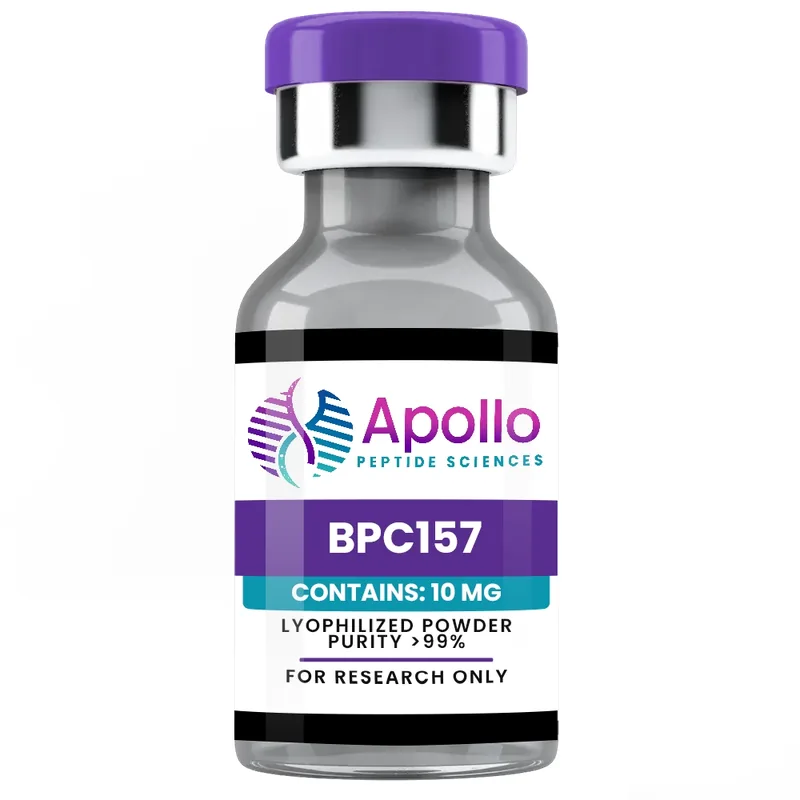
Research Specifications
- Sequence:
- GEPPPGKPADDAGLV (Gly-Glu-Pro-Pro-Pro-Gly-Lys-Pro-Ala-Asp-Asp-Ala-Gly-Leu-Val)
- CAS Number:
- 137525-51-0
- Molecular Weight:
- 1419.53 Da
- Form:
- Lyophilized powder
- Purity:
- ≥98% (HPLC verified)
- Storage:
- −20°C long-term / 4°C up to 4 weeks reconstituted
- Reconstitution:
- Bacteriostatic water
BPC-157 10mg
Featured in Clavicular's looksmaxxing protocol
Body Protection Compound-157 — the cytoprotective pentadecapeptide. 36+ published studies on tissue repair, gut healing, and multi-pathway anti-inflammatory signaling.
Why Clavicular Uses This Peptide
BPC-157 is the recovery peptide in Clavicular's stack. He pairs it with Retatrutide to support tissue repair and gut health during aggressive cutting protocols.
See Clavicular's complete looksmaxxing stack →Cytoprotection via VEGFR2, FAK-Paxillin & Nitric Oxide Pathways
BPC-157 (Body Protection Compound-157, CAS: 137525-51-0) is a synthetic 15-amino-acid pentadecapeptide (sequence: GEPPPGKPADDAGLV) derived from gastric juice protein BPC. It activates VEGFR2 (vascular endothelial growth factor receptor 2) to drive angiogenesis — the formation of new blood vessels — which is rate-limiting in tendon and ligament repair. It upregulates FAK-paxillin signaling for cell migration and tissue repair, stimulates nitric oxide production via eNOS for vasodilation and improved blood flow to injured tissue, and directly modulates the dopamine and serotonin systems. Anti-inflammatory effects include downregulation of NF-κB. Over 36 published studies — primarily from Sikiric et al. at Zagreb University — document effects across tendon, GI, muscle, bone, nerve, and vascular tissue. Molecular weight: 1419.53 Da.
Research Highlights
Tendon & Ligament Repair
Multiple rodent studies demonstrate accelerated Achilles tendon healing. Sikiric et al. showed BPC-157-treated transection models had superior tendon-to-bone reattachment vs controls, with 30–50% faster functional recovery. VEGFR2-mediated angiogenesis is the primary mechanism — providing vascular infrastructure for repair cell recruitment.
GI Cytoprotection
BPC-157 was first identified as an endogenous gastroprotective factor. It reverses NSAID-induced gastric ulcers, prevents alcohol-induced gut damage, and preserves intestinal epithelial barrier integrity via nitric oxide synthase upregulation and tight junction protein restoration. Studies show full mucosal restitution within days in ethanol-ulcer rat models.
Muscle & Systemic Recovery
Crush injury and muscle transection models show BPC-157 significantly reduces recovery time and improves functional outcomes through increased angiogenesis and growth factor upregulation. Its broad cytoprotective mechanism makes it relevant across multiple tissue types — frequently paired with TB-500 for synergistic healing research.
Research FAQ
What is BPC-157 used for in research?
How does BPC-157 compare to TB-500?
How should BPC-157 be stored?
Research Use Only. This product is intended for in-vitro laboratory research only. Not for human consumption, injection, or therapeutic use. Not medical advice. Always consult applicable regulations in your jurisdiction.
More from Clav's Stack
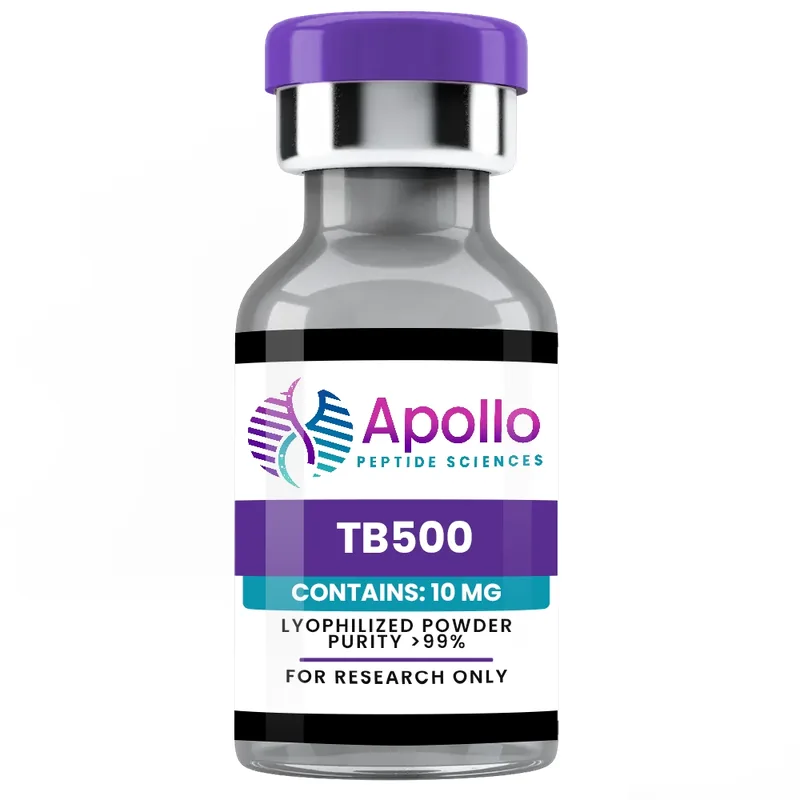
TB-500 10mg
TB-500 is a synthetic version of the naturally occurring peptide Thymosin Beta-4, found in virtually all human and animal cells. Research focuses on its role in actin regulation, wound healing, angiogenesis (new blood vessel formation), and cardiac protection. TB-500 upregulates cell-building proteins and promotes endothelial cell migration. Commonly researched alongside BPC-157 for comprehensive tissue-repair protocols.
CAS: 77591-33-4
BPC-157 10mg
$59.99